Louisville Burn Injury Lawyer

A Louisville burn injury lawyer can evaluate your serious burn allegations by looking at two key issues: how your body heals and how Kentucky law assigns responsibility.

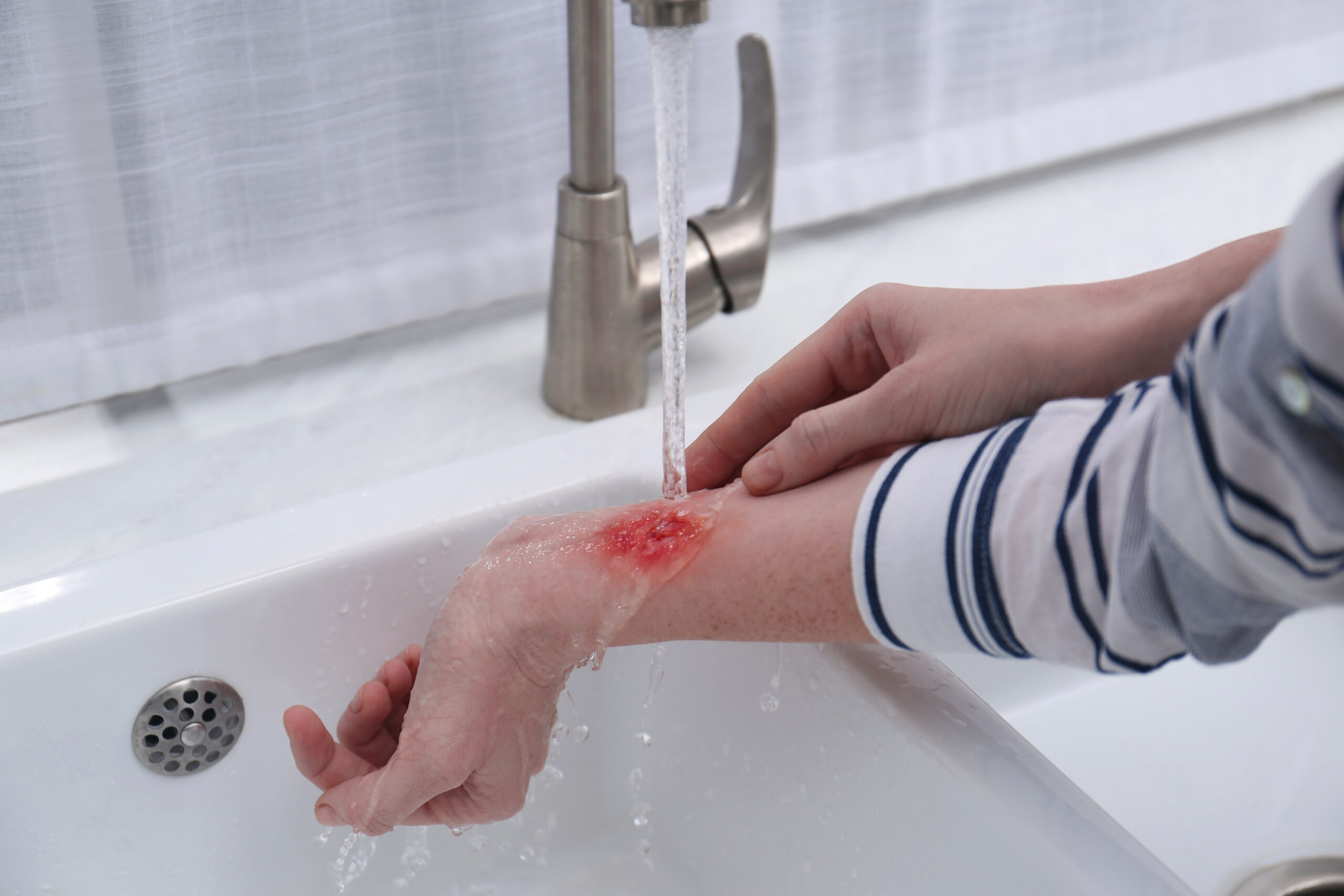
That means you claim doesn’t stop with the emergency room bill or a few early photographs. Severe burns can damage skin, nerves, muscles, tendons, and sometimes bone. They may also cause infection, fluid loss, breathing problems, chronic pain, and serious emotional trauma.

Then comes recovery.

That process can involve repeated wound care, skin grafts, reconstruction, compression garments, therapy, counseling, and long-term scar treatment. Even after the skin closes, the scar may tighten around a joint and make ordinary movement difficult.

A burn injury attorney in Louisville also has to account for Kentucky’s pure comparative negligence rule. You may still recover compensation even if you share some responsibility, but the award can be reduced.

That issue often comes up in fires, chemical exposures, product failures, and workplace incidents.

They may admit that something went wrong while arguing that you ignored a warning, misused equipment, or failed to leave soon enough.

The medicine can be complicated…the blame arguments can be too.

The Complexity of Burn Injury Claims in Kentucky

Burn injury claims in Kentucky need to prove how the exposure happened, who created or controlled the danger, what treatment became necessary, and how the injury will affect you over time.

One dramatic photograph may show pain, but it won’t prove the entire claim.

Doctors commonly classify burns by depth. A superficial burn only affects the outer layer of your skin and may heal without surgery. A partial-thickness burn reaches deeper into your tissue and may blister, scar, or require grafting. A full-thickness burn destroys the complete depth of the skin as well as underlying muscle and often needs surgical removal of damaged tissue followed by reconstruction.

Depth isn’t the only thing that matters.

Doctors may also consider how much of the body was burned, where the injury occurred, whether smoke was inhaled, the survivor’s age, infection risk, and whether the burn circles a limb or chest.

A smaller burn on the face, hand, airway, or major joint may create more lasting problems than a larger burn somewhere else.

A Kentucky fire accident lawyer may need to investigate:

  • The source and temperature of the heat
  • How long you were exposed
  • Whether smoke or toxic fumes were inhaled
  • Whether alarms or sprinklers worked
  • Whether exits were available
  • What warnings were provided
  • Whether protective equipment was available
  • Whether your burn was caused by a product failure
  • Whether emergency treatment was delayed
  • Whether your wound became infected

Burn recovery isn’t always steady. Some wounds heal quickly. Others reopen, become infected, or form thick scar tissue.

The legal record should reflect that uneven process.

What Should You Know About Burn Injuries?

Understanding Liability for Thermal and Chemical Burn Accidents

The American Burn Association estimates nearly 400,000 burn injuries during an average year in the United States. It also reports an inpatient mortality rate of roughly 2.7 percent.

Those numbers don’t include every burn treated outside a hospital. They do show how quickly these injuries can become serious.

Thermal or chemical burn liability typically depends on who created the danger, who controlled the property or product, and whether reasonable safety measures could’ve prevented the exposure. The legal theory changes depending on how the burn occurred.

Thermal burns may come from flames, steam, hot liquid, heated metal, explosions, electricity, or radiant heat.

Chemical burns may involve acids, alkalis, industrial cleaners, battery chemicals, solvents, or poorly mixed products, and can continue damaging tissue until the substance is removed or handled correctly.

That makes training and emergency responses especially important.

A workplace burn injury claim can become more complicated because workers’ compensation may cover medical treatment and part of the lost income, while a separate third-party case may provide broader damages.

Defective product burn liability may be an issue when products like batteries, heaters, appliances, electrical tools, or protective products fail. The investigation may examine the design, manufacturing process, warning labels, testing, recalls, and whether someone changed the product after it left the manufacturer.

A chemical burn lawsuit can require safety data, training records, storage logs, toxicology opinions, and evidence showing how long the substance remained on your skin.

That evidence can disappear quickly.

Equipment gets repaired. Containers are thrown away. Spill areas are cleaned. Procedures get changed after the fact.

Early preservation matters.

Our Practice Areas

  • Auto Accident Negligence
  • Birth Injury
  • Brain Injuries
  • Camp Lejeune Water Contamination
  • Car Accidents
  • Construction Accident
  • Family Law
  • High-Asset Divorce
  • Medical Malpractice
  • Motorcycle Accident
  • NEC Baby Formula Lawsuit
  • Negligent Security
  • Nursing Home Abuse
  • Nursing Home Neglect
  • Personal Injury
  • Philips CPAP Machine Lawsuit
  • Premises Liability
  • Product Liability
  • Sexual Assault
  • Slip & Fall
  • Social Security Disability
  • Spinal Cord Injury
  • Truck Accidents
  • Workers' Compensation
  • Wrongful Death

Get a Free Case
Evaluation

(502) 473-6540

You have enough on your plate. Get a free case evaluation and clear answers from our experienced attorneys today — we’ll take it from here.

How a Louisville Burn Injury Lawyer Calculates the Value of Burn Damages

A severe burn claim is valued by calculating the full cost of treatment, future reconstruction, lost income, permanent impairment, and the personal effect of scarring. Current bills are only the starting point.

Skin graft medical expenses often include much more than the graft itself.

Surgeons may first remove dead tissue through debridement. They may then take healthy skin from another part of the body and place it over the burn wound.

That donor site creates another painful injury.

Some grafts fail. Others need revision. Even a successful graft may leave tight, uneven, or discolored tissue. You may later need scar release, laser treatment, tissue expansion, flap surgery, or additional grafting.

A damages analysis may include:

  • Emergency treatment and transportation
  • Burn-unit hospitalization
  • In-patient care
  • Debridement procedures
  • Skin grafting
  • Donor-site treatment
  • Reconstructive surgery
  • Physical and occupational therapies
  • Medication and infection treatment
  • Counseling
  • Home nursing
  • Lost income and reduced earning capacity

Scarring and disfigurement compensation should account for appearance and function.

A scar across a joint may reduce movement. Facial scarring may affect your speech, eating, expression, eye closure, and confidence.

Hand burns may make it harder to grip, type, dress, cook, or return to skilled work.

Burn contractures can create major limits in walking, transfers, fine-motor tasks, and everyday independence. Also, your scars can keep changing for months. Medical experts may need to explain whether they’re likely to flatten, tighten, stay raised, or require more treatment.

That’s why settling too early can be expensive.

Meet Our Attorneys

  • Mike Campbell
  • Eric Kiser
  • Alex Cassell
  • Cameryn Gonnella
  • Lindsy Lopez

The Impact of Burn Injuries

According to the Healthcare Cost and Utilization Project (HCUP) National Inpatient Sample (NIS), there were 29,165 hospital admissions for burn injuries in 2020. Fifteen thousand two hundred eighty were considered minor injuries, while 9,340 were classified as deep burns, requiring surgical treatment.

These injuries can have profound and far-reaching effects on a person’s life. Beyond the immediate pain and expensive medical treatments, burn victims often face long-term challenges that can affect their physical, emotional, and financial well-being.

Physical Impact

Severe burns often cause significant damage, including scarring, loss of function, and physical disfigurement. Recovery can require multiple surgeries, including skin grafts and reconstructive efforts.

The physical impact of these injuries can also lead to long-term complications such as wound infections, decreased mobility, and chronic severe pain.

Emotional and Psychological Impact

Burn injuries can also have a significant emotional and psychological impact. Victims may experience trauma, anxiety, depression, and post-traumatic stress disorder (PTSD). The visible effects of burn injuries, such as scarring and disfigurement, can lead to a loss of self-esteem and difficulties in social interactions and relationships.

Psychological support and counseling are often a necessary part of the recovery process.

Financial Impact

The financial burden of burn injuries can be substantial, with medical expenses for treatment, surgeries, and rehabilitation quickly becoming overwhelming.

Burn victims may also face lost wages due to an inability to work during recovery. The long-term recovery that’s often required for burn injuries can mean that ongoing medical care and support are necessary, further increasing the financial strain.

Types of Compensation

Burn injury victims may be entitled to various types of compensation, depending on the case’s specifics. Compensation can include:

  • Medical Expenses: Coverage for past and future medical costs related to the burn injury, including hospital stays, surgeries, medications, and rehabilitation.
  • Lost Wages: Compensation for income lost due to an inability to work during recovery. This may also include future lost earnings if the injury reduces earning capacity.
  • Pain and Suffering: Compensation for the physical pain and emotional suffering caused by the burn injury. This accounts for the overall impact on the victim’s quality of life.
  • Property Damage: If the burn injury was caused by an incident resulting in property damage, compensation may be sought for repairs or replacement of damaged property.
  • Punitive Damages: In cases of extreme negligence or intentional wrongdoing, punitive damages may be awarded to punish the wrongdoer and deter similar conduct in the future.

The Role of a Louisville Burn Injury Lawyer

Our Louisville burn injury lawyers will handle your serious burn claim by combining burn science, technical evidence, and Kentucky’s pure comparative negligence rules. Your burn injury doesn’t end when your wound closes. You may still face grafting, scar contractures, chronic pain, reduced movement, emotional trauma, and visible disfigurement.

A complete claim needs to follow your recovery over time, and the strongest case preserves the scene, keeps the product, documents your wounds, uses the right experts, and calculates your future losses before final settlement talks begin.

At Thomas Law Offices, we understand that burn recovery is medical, financial, and deeply personal, and a serious legal claim should account for all three.

If you’ve received burn injuries and someone else was responsible, contact us today and let’s get started protecting your rights and your financial future.

We Fight For Injured Clients Nationwide

Have You Been Injured? We're Ready to Fight for You.