

What Injuries Are Missed After Low-Speed Collisions?
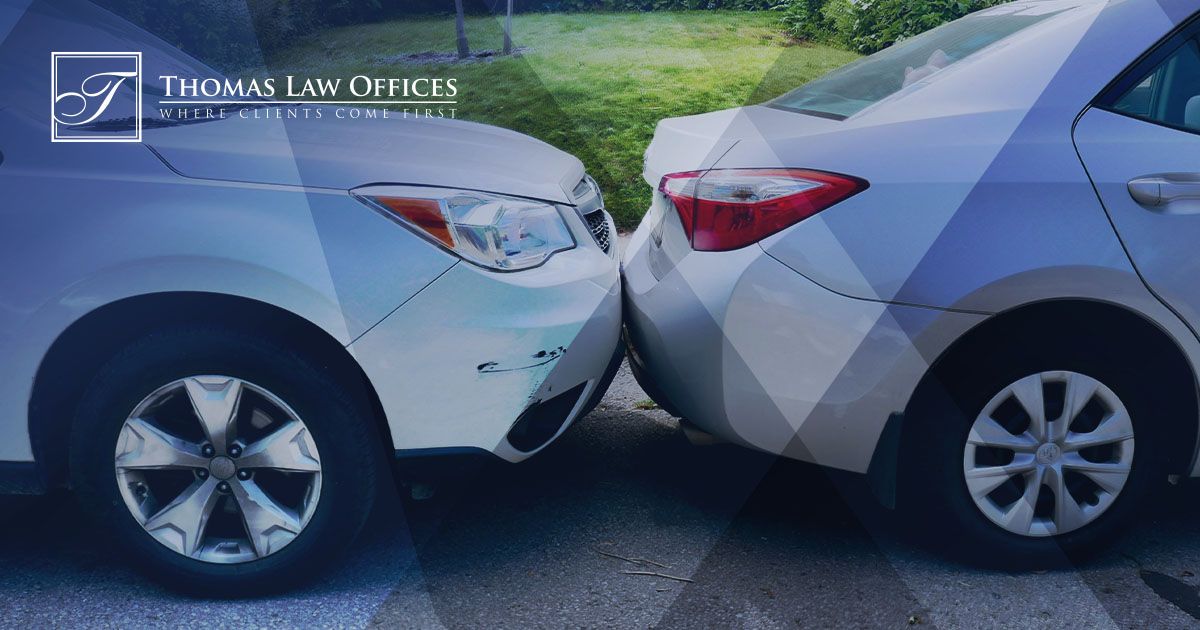
Not every car accident happens at high speed. “Fender benders” are considered low-speed collisions that happen at 10 miles per hour or less. These usually occur in parking lots, stop-and-go traffic, or intersections where drivers aren’t paying attention. Often in these types of accidents, there is no visible damage to the cars, or there might be a minor scratch.
If both drivers agree, “no harm, no foul,” they drive on. Unfortunately, that might not be the end of the incident. Injuries may be missed after low-speed collisions.
If you’re involved in a low-speed collision caused by another driver, that driver is the person who should compensate you for any medical expenses or lost wages that you incur as a result of the injury. Unfortunately, you might find that the driver will claim, “They barely touched your car.”
In those situations, you need to be backed up by a dedicated Kansas City car accident attorney.
A skilled attorney will know how to gather evidence to prove who is at fault. They will also have the negotiating skills to lock down a fair settlement with an insurance carrier that is reluctant to part with any of its money.
If you’ve been involved in a low-speed collision, don’t take any symptoms of an injury for granted.
Common Latent Injuries That Often Go Unnoticed
When your car is struck by another vehicle, the impact force pushes it forward and then backward.
The same thing happens to anyone in the car at the time of the impact. They are jolted forward and backward. This is known as kinetic energy. A seatbelt can help restrain a driver and passenger. Otherwise, the force of the impact could send them through a windshield.
When the body is forced to absorb sudden kinetic energy, it can lead to these commonly overlooked latent injuries:
- Whiplash: This is one of the most common injuries in a low-speed collision. Whiplash happens from the violent, rapid back-and-forth jerking of the neck. You may feel fine at the scene but later experience severe neck stiffness and reduced range of motion.
You might also experience headaches as inflammation sets in.
- Herniated & Bulging Discs: The compressive force of a collision can cause spinal discs to bulge or rupture. That puts pressure on the spinal cord nerves, leading to radiating pain, numbness, or tingling down the arms and legs.
- Concussions & Mild Traumatic Brain Injuries (TBI): The same jolt that injures your neck and spinal cord can force your brain to shift inside the skull. With this type of injury, you might experience dizziness, fatigue, memory issues, or sensitivity to light.
These symptoms might not be certain until hours or days after the accident.
- Joint and Ligament Sprains: If you see the car coming at your vehicle, you could brace for impact by extending your arms and legs. That can strain or tear tendons and ligaments in the wrists, shoulders, and knees.
- Nerve Pain: Inflammation around damaged muscles can pinch nerves, causing localized weakness or tingling.
If left untreated, these injuries can worsen and significantly impact a person’s mobility and quality of life.
Why Adrenaline Masks Pain Immediately Following a Crash
What does a car accident have to do with your genetic code? Everyone has a “fight-or-flight” response that is deeply rooted in our DNA. In the face of immediate trauma or danger, your body releases a surge of adrenaline and endorphins designed to help you prioritize survival and escape.
From a physiological perspective, endorphins bind to your opioid receptors in the brain. That provides a significant boost to your pain threshold. The theory is that if you don’t feel pain, you can move yourself away from the danger. When adrenaline is released, it elevates your heart rate and redirects oxygen-rich blood away from pain receptors, producing effects similar to endorphins.
All of this means that in the immediate aftermath of an accident, you might not experience any direct pain from an injury. You’re dealing with the damage to your car, with the other driver and the police responding to the scene. It could be hours or days later before you start to feel numbness or inflammation.
This is why you need to seek immediate medical attention right after the accident to determine if there are any injuries.
How Delayed Medical Treatment Impacts a Legal Claim
After you file an insurance claim for injuries sustained in a car accident, an insurance adjuster will open an investigation. One of the first things they’ll look at is the connection between your injuries and the accident. The wider the gap between the accident and your medical treatment, the more likely the adjuster will try to assert your injuries might have been caused by something else.
Consider this scenario: you get into a low-speed collision on a Wednesday but go to work on Thursday.
You then start to feel sore on Friday, but wait until Monday to see your doctor. What is to say you didn’t injure yourself on the job or over the weekend?
The best way to establish causation is to see a doctor right away.
If you see a doctor within 24 hours of the accident, you’ll establish the medical documentation you need to prove your claim. You are also legally required to take reasonable steps to reduce harm caused by an accident. If you try to “tough it out,” it could be seen as a failure for you to mitigate the damage.
That can impact the amount you might receive in a final settlement.
Steps to Take If You Feel Pain Days After an Accident
If you begin experiencing pain several days after a car accident, don’t assume it’s unrelated or that it will simply go away. Delayed symptoms are common after low-speed collisions.
Acting quickly can protect both your health and your ability to pursue compensation.
Your first step should be to schedule a medical evaluation as soon as possible. Tell your doctor or provider about the accident and describe every symptom you’re experiencing, even if it seems minor. After a diagnosis is made, you’ll be presented with a treatment plan.
It is important that you follow that plan to completion. Even if you start feeling fine after three PT sessions, you should attend all prescribed sessions. If delayed pain has left you facing medical expenses, lost income, or ongoing treatment, speaking with an experienced car accident attorney can make a significant difference.
The legal team at Thomas Law Offices can investigate your accident and identify who should be held liable. Once we’ve built a strong claim, we’ll begin to negotiate with the relevant insurance carrier to secure the maximum benefit for our clients.
Contact Thomas Law Offices today for a free consultation to learn how they can help you pursue the compensation you deserve.
We’ll take care of the legal aspects while you focus on your recovery.