Chicago Motorcycle Accident Lawyer

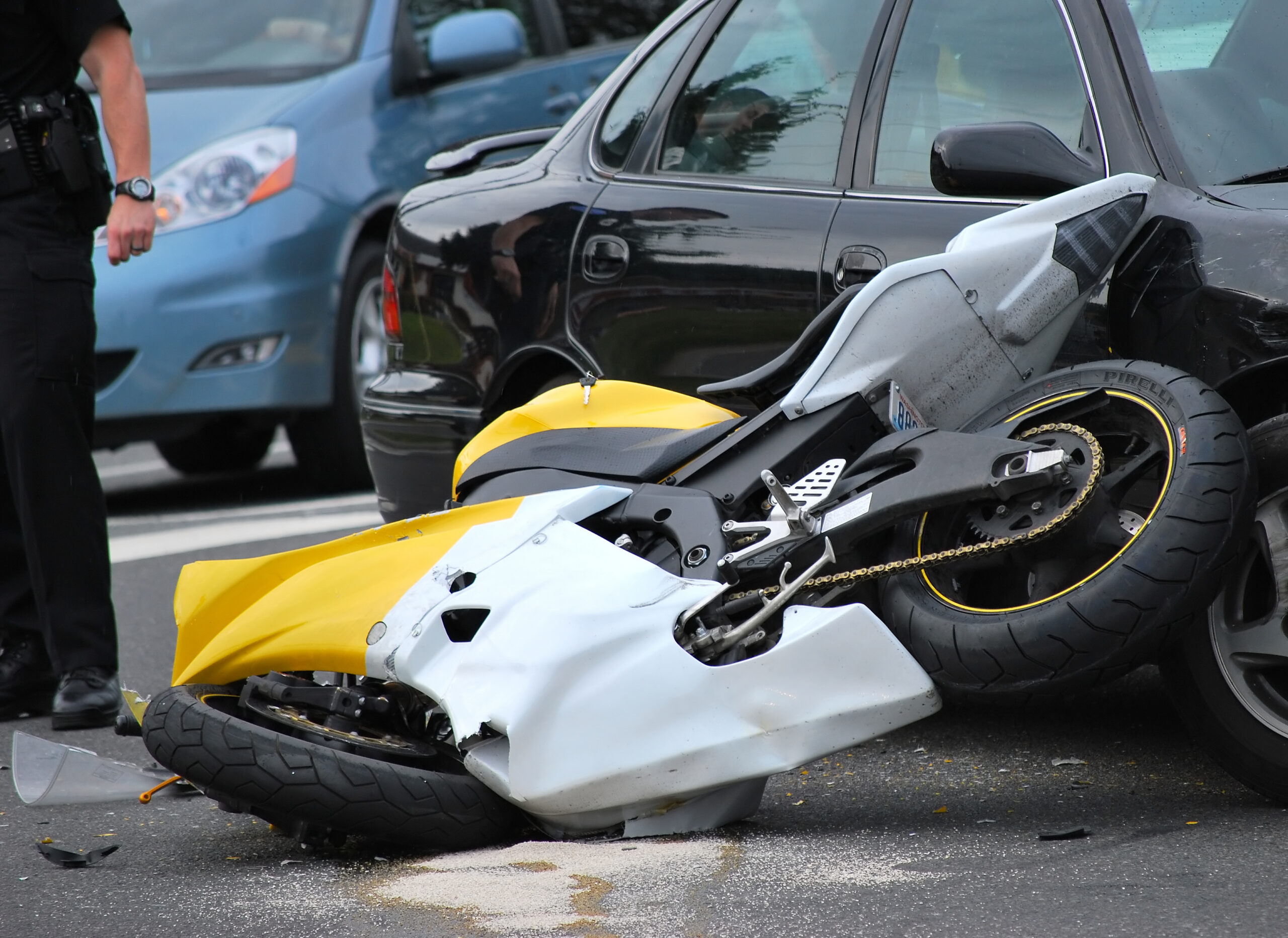
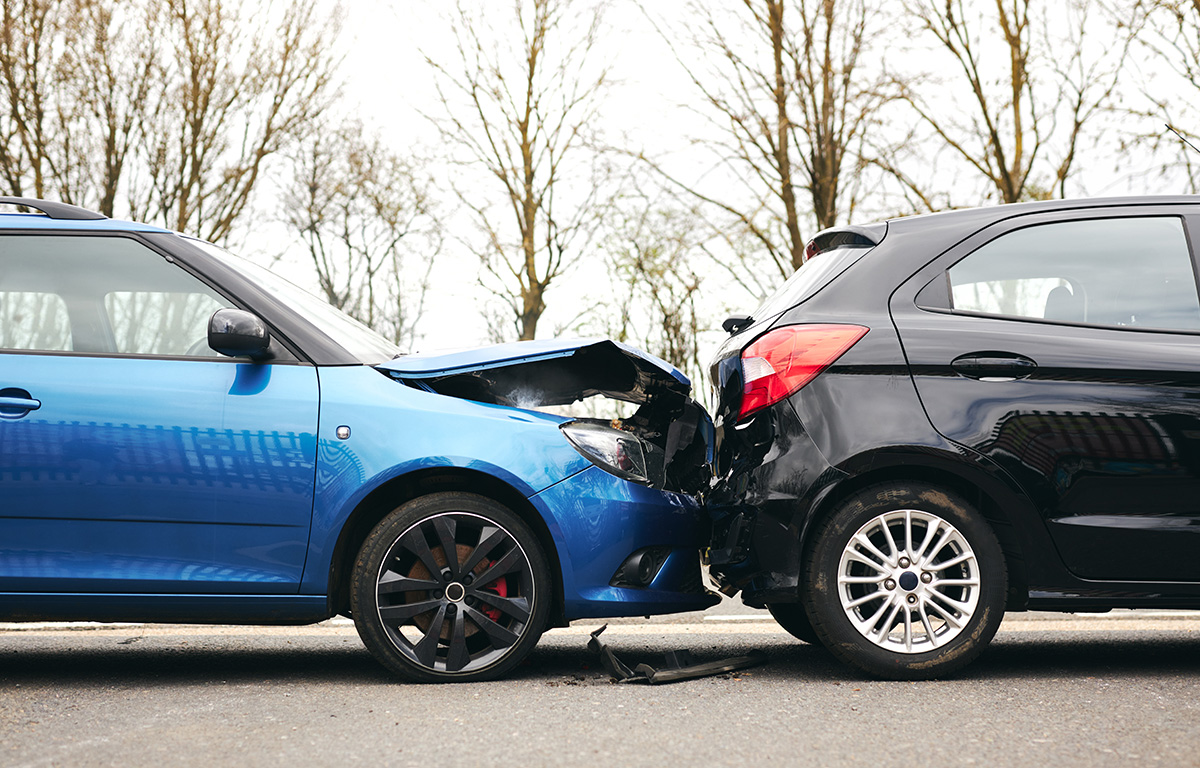
A Chicago motorcycle accident lawyer helps injured riders protect their rights under Illinois law, especially when the insurance company tries to blame the rider before the facts are even clear. That happens more often than it should.

A motorcycle crash claim isn’t just about proving that someone got hurt. It’s about proving how the crash happened, who had the right of way, and why the rider shouldn’t automatically be assumed to be the reckless one just because they were on a bike.

That bias can show up in subtle ways. A driver might claim, “The motorcycle came out of nowhere.” An adjuster hears, “The rider was speeding.” A witness remembers the bike engine over the traffic light, or a police report uses vague wording. Suddenly, you’re fighting two battles at once, the crash itself and the assumptions attached to it.

That’s why the evidence, the crash sequence, and the fight against biker bias all matter from the start. And Thomas Law Offices is ready to help with your claim.

Leading Causes of Motorcycle Crashes in Chicago

The leading causes of motorcycle crashes in Chicago are driver inattention, left-turn violations, unsafe lane changes, dooring, poor road conditions, and failure to respect a rider’s space on the road. Simply put, many crashes happen because another driver doesn’t see the motorcycle, misjudges it, or acts like it doesn’t belong there.

Chicago traffic doesn’t make that easier.

Riders deal with dense traffic, rideshare vehicles stopping suddenly, delivery trucks blocking lanes, buses pulling in and out, car doors opening near the curb, potholes, construction plates, and drivers trying to beat the lights.

Add expressways like I-90, I-94, I-290, and DuSable Lake Shore Drive, plus major roads like Western, Ashland, and Milwaukee, and the risks stack up fast.

Drivers have to yield before turning and look carefully. A motorcycle has the same right to use the road as any other vehicle.

Other common causes of Chicago motorcycle crashes include:

  • Cars changing lanes without checking blind spots
  • Rear-end crashes, especially in stop-and-go traffic
  • Distracted driving, such as using phones or navigation tools
  • Speeding drivers who misjudge stopping distance
  • Potholes, loose gravel, construction debris, or uneven pavement
  • Sudden rideshare or delivery stops
Motorcycle Accidents in Cleveland

How Illinois Motorcycle Laws Impact Accident Claims

Illinois motorcycle laws also matter in how these crashes are argued. For example, the Illinois Motorcycle Operator Manual states that lane-splitting laws in Illinois do not allow riders to pass between lanes of moving or stopped traffic, as some riders may see in other states. That issue can become important if an insurer argues that the rider was traveling unlawfully between lanes.

Don’t let an insurer turn every lane-position issue into rider fault.

The real questions are specific. Where was the bike? Where was the car? Who had the right of way? Did the driver signal? Did the rider have space to avoid the crash? Did the driver violate a traffic rule?

Those details shape liability.

Our Practice Areas

  • Birth Injury
  • Brain Injuries
  • Camp Lejeune Water Contamination
  • Car Accidents
  • Construction Accident
  • Medical Malpractice
  • Motorcycle Accident
  • NEC Baby Formula Lawsuit
  • Negligent Security
  • Nursing Home Abuse
  • Personal Injury
  • Philips CPAP Machine Lawsuit
  • Premises Liability
  • Product Liability
  • Sexual Assault
  • Slip & Fall
  • Social Security Disability
  • Spinal Cord Injury
  • Truck Accidents
  • Workers' Compensation
  • Wrongful Death

Get a Free Case
Evaluation

(502) 473-6540

You have enough on your plate. Get a free case evaluation and clear answers from our experienced attorneys today — we’ll take it from here.

Proving Liability in Illinois Motorcycle Injury Claims

Proving who’s liable in an Illinois motorcycle injury claim means you must show evidence that it was another person’s negligence that caused the crash and your injuries. Your version matters, but it usually needs support. Insurers like uncertainty. They like blurry timelines. They like missing witnesses. They like vague police reports.

Anything unclear can become an excuse to say, “Maybe the rider caused this.” So, your case needs to be built early.

A motorcycle accident attorney Chicago riders trust will usually start with the crash sequence. Who entered the intersection first? Was the driver turning left? Did the car change lanes? Was the rider visible? Were there skid marks? Did nearby businesses have surveillance cameras? Was there a dashcam? Did the police report list witnesses?

This is where Chicago personal injury litigation becomes practical. Not dramatic. Practical. A good case is built from proof.

Useful evidence may include the police crash report, photos of the damage, eyewitness statements, and, when available, vehicle black box data. Skid marks, debris fields, and final resting positions can be vital, as can medical records connecting injuries to the crash, and cellphone records when distracted driving is suspected.

Motorcycle cases also need strong injury evidence. Not just “the rider was hurt.”

Your claim should show how the injuries affect your work, sleep, mobility, appearance, independence, riding ability, family life, mental health, and future medical needs. That bigger picture is key because insurers often try to shrink motorcycle injuries into bills and codes.

Biker bias in insurance claims often shows up through assumptions. The rider must have been speeding. The rider must have been weaving. The rider accepted the risk. The rider’s injuries are just part of riding.

None of that proves fault. It’s just noise unless the evidence supports it.

Common Catastrophic Injuries Sustained in Bike Wrecks

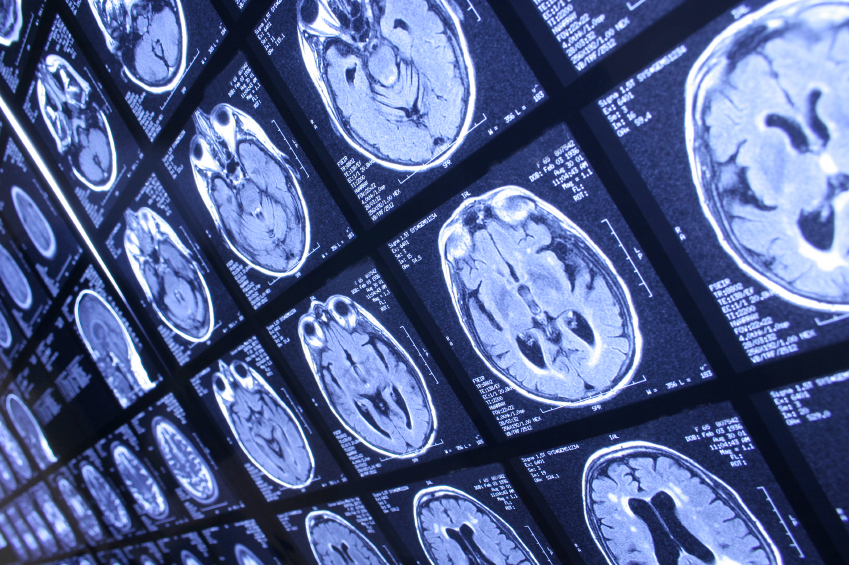
Common catastrophic injuries in motorcycle wrecks include traumatic brain injuries, spinal cord injuries, fractures, amputations, internal injuries, burns, and severe road rashes. Riders have very little physical protection compared to people inside cars.

That’s the harsh truth.

Motorcycles don’t have airbags, seat belts, crumple zones, or a heavy steel frame around the rider, so their body often takes the impact directly. Even a lower-speed crash can cause serious harm if the rider lands badly, slides across pavement, hits a curb, or gets trapped under a vehicle.

A road rash injury claim is often more serious than people may think. “Road rash” sounds almost casual, like a little scrape. But severe road rash can involve deep skin loss, nerve damage, infection risk, skin grafts, scarring, and permanent disfigurement.

Insurers will often try to minimize these injuries because they don’t sound as dramatic as a broken bone. That’s a mistake.

Common motorcycle injuries include:

  • Facial fractures and dental injuries
  • Nerve damage
  • Amputation or limb-threatening trauma
  • PTSD, anxiety, and sleep disturbance

These affect more than medical bills. They can change how someone works, sleeps, walks, drives, parents, exercises, socializes, and moves through the world. For riders, losing the ability to ride can feel like losing a piece of identity. That’s not melodrama. For many people, riding is freedom, routine, community, and stress relief.

When a crash takes that away, it matters.

If your injuries are catastrophic, your claim won’t stop at today’s bills. It has to account for the cost of your injuries over the rest of your life.

Compensation Available for Injured Chicago Motorcyclists

Compensation available for injured Chicago motorcyclists may include medical expenses, lost income, future care, pain and suffering, disability, disfigurement, and loss of normal life. The value depends on fault, insurance coverage, injury severity, medical proof, and how well the case responds to biker bias.

Motorcycle injury compensation should include both economic and non-economic losses.

Economic damages are the measurable costs, like medical bills, lost wages, and future treatment expenses. Reduced earning capacity can be a serious issue. And, of course, motorcycle repair or replacement, and any out-of-pocket expenses.

Non-economic damages cover the human losses caused by pain, anxiety, loss of mobility, independence, and enjoyment. Loss of normal life.

Both categories matter.

In fatal motorcycle crashes, surviving family members may have wrongful death and survival claims. Those cases involve different damages, including funeral expenses, grief, loss of financial support, and, where allowed, the rider’s conscious pain and suffering before death.

Even nonfatal cases can involve enormous losses.

A rider with a spinal injury may need home modifications, long-term therapy, mobility equipment, and reduced work hours. A rider with severe road rash may need grafting, scar revision, and psychological support. That’s why case value should not be measured too early.

The first few weeks after a crash rarely show the full picture. Some injuries worsen; others require delayed surgery. Some riders try to return to work and realize they can’t, and some develop chronic pain, nerve symptoms, or PTSD.

The compensation process should move carefully enough to capture the real damages, not just the first round of bills.

Frequently Asked Questions

No, lane splitting is currently illegal in Illinois. If you were lane splitting at the time of your accident, it may impact your ability to recover full compensation due to modified comparative negligence laws.

Illinois does not have a universal helmet law for adult riders. While insurance companies may try to use the lack of a helmet to argue you contributed to your own injuries, it does not automatically bar you from seeking damages for the negligence of another driver.

Meet Our Attorneys

  • Mike Campbell
  • Eric Kiser
  • Alex Cassell
  • Cameryn Gonnella
  • Lindsy Lopez

How a Chicago Motorcycle Accident Lawyer Navigates Complex Insurance Negotiations

At Thomas Law Offices, our personal injury attorneys navigate complex insurance negotiations by treating your motorcycle claim as a legal, medical, and bias-control problem from the very beginning. Our goal isn’t just to send bills to an adjuster and wait for an offer…that’s too passive. Our goal is to build leverage before the insurer locks in a low-value narrative. And that matters because motorcycle cases are often undervalued early on.

An adjuster may focus on the rider’s speed, the sound of the bike, the rider’s clothing, or the fact that motorcycles are “dangerous.”

But none of that answers the real legal questions.

Who had the right of way? Who violated traffic rules? What could each driver see? What caused the crash? What caused the injuries? What does the medical evidence show?

At Thomas Law Offices, our job is to keep your claim grounded in evidence instead of stereotypes, and insurance negotiation isn’t just a single phone call. It’s about positioning. If the insurer believes that you’re unprepared for trial, their settlement offer may reflect that.

If they see strong evidence, consistent medical documentation, credible experts, and a clear response to biker bias, the conversation changes.

Thomas Law Offices can also help you avoid mistakes that can weaken your claim. Mistakes like giving broad recorded statements, signing blanket medical authorizations, or posting details about the crash online. Most importantly, accepting the first offer just because bills are piling up.

That pressure is real. We know that.

But an early settlement can leave serious money behind, especially when surgery, permanent impairment, future care, or lost earning capacity is still unclear. A strong motorcycle claim doesn’t beg the insurer to be fair. It shows the insurer why being fair is the safer option.

We Fight For Injured Clients Nationwide

Have You Been Injured? We're Ready to Fight for You.