The Impact of Burn Injuries
According to the Healthcare Cost and Utilization Project (HCUP) National Inpatient Sample (NIS), there were 29,165 hospital admissions for burn injuries in 2020. Fifteen thousand two hundred eighty were considered minor injuries, while 9,340 were classified as deep burns, requiring surgical treatment.
These injuries can have profound and far-reaching effects on a person’s life. Beyond the immediate pain and expensive medical treatments, burn victims often face long-term challenges that can affect their physical, emotional, and financial well-being.
Physical Impact
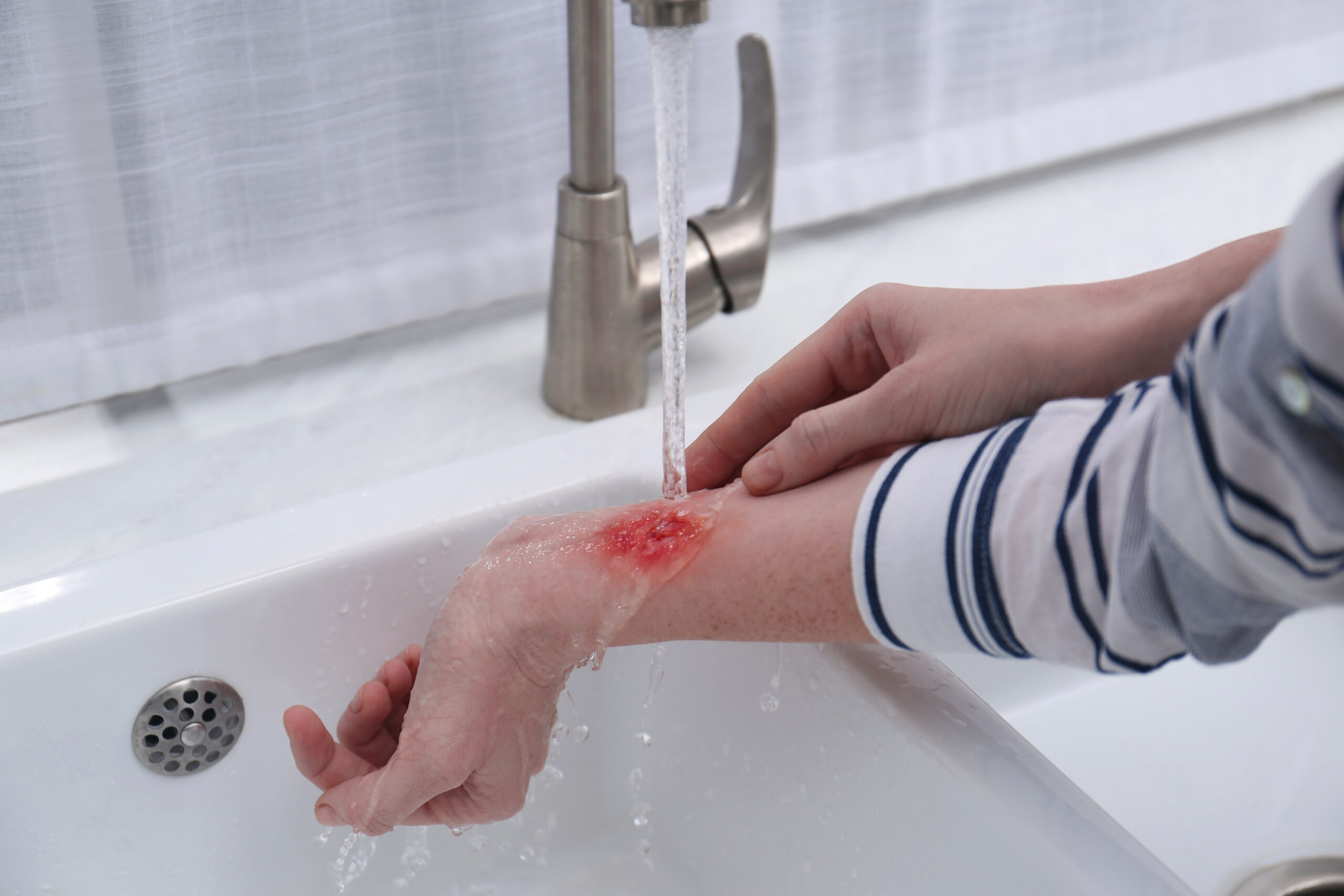
Severe burns often cause significant damage, including scarring, loss of function, and physical disfigurement. Recovery can require multiple surgeries, including skin grafts and reconstructive efforts.
The physical impact of these injuries can also lead to long-term complications such as wound infections, decreased mobility, and chronic severe pain.
Emotional and Psychological Impact
Burn injuries can also have a significant emotional and psychological impact. Victims may experience trauma, anxiety, depression, and post-traumatic stress disorder (PTSD). The visible effects of burn injuries, such as scarring and disfigurement, can lead to a loss of self-esteem and difficulties in social interactions and relationships.
Psychological support and counseling are often a necessary part of the recovery process.
Financial Impact
The financial burden of burn injuries can be substantial, with medical expenses for treatment, surgeries, and rehabilitation quickly becoming overwhelming.
Burn victims may also face lost wages due to an inability to work during recovery. The long-term recovery that’s often required for burn injuries can mean that ongoing medical care and support are necessary, further increasing the financial strain.