
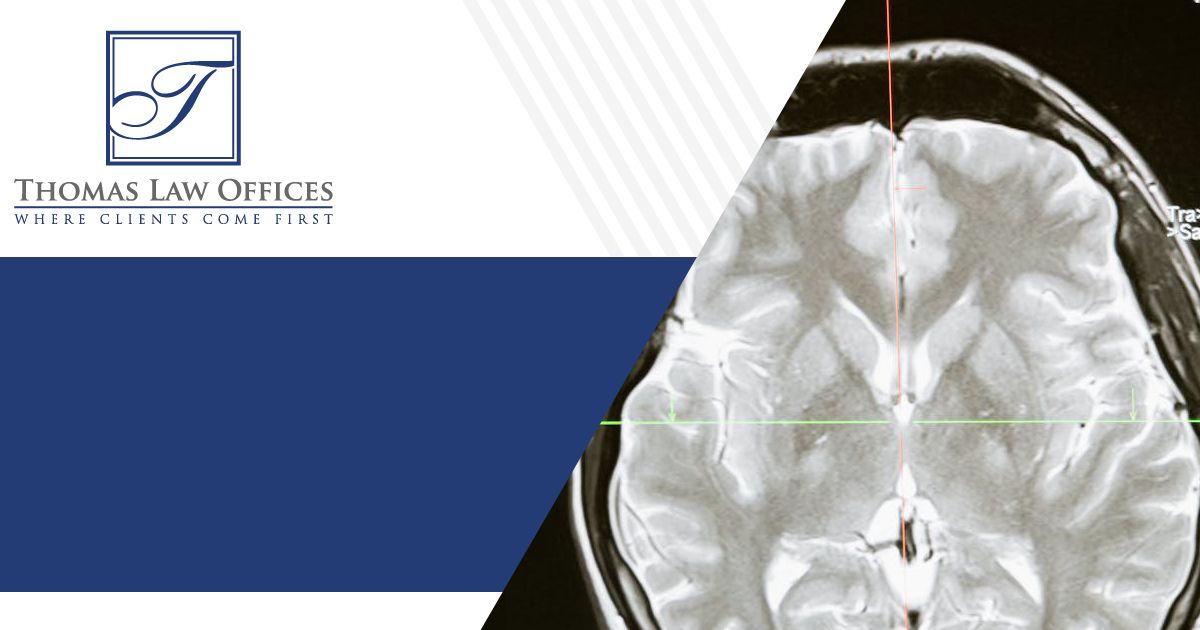
No one gets through life without the occasional bump to the head. As kids, those bumps seem to happen a lot as we’re developing our motor skills.
When we get older, we find ourselves bumping our heads on doorways and cabinets. These bumps aren’t serious. It is the more severe blunt force that occurs during sports or as a result of a serious car accident. That moves a “bump” into the traumatic brain injury (TBI) category, and that can lead to life-altering consequences.
If that TBI was caused by someone else’s negligence, the victim and their family are entitled to seek compensation to cover all current and future medical expenses.
The best way to optimize your chances of getting that recovery is with a skilled Chicago brain injury attorney, as you’ll find at Thomas Law Offices. We work diligently on behalf of our clients to help them obtain the maximum compensation they are due for their injuries by presenting a strong case with compelling evidence.
The results of neuropsychological testing will play a crucial role in supporting a brain injury claim.
Why Is Neuropsychological Testing Crucial After a Brain Injury?
According to the most recent data collected by the Centers for Disease Control and Prevention (CDC), there are over 69,000 deaths in a single year that were related to TBI. Of those who have suffered and survived a TBI, there are hundreds of thousands of people who live with lasting effects.
Studies show that 20%–50% of people with a mild TBI continue to experience symptoms months after the injury.
Neuropsychological testing plays a crucial role in documenting the true effects of a traumatic brain injury. There are many types of screenings and assessments that make up a complete neuropsychological review. This test evaluates the following:
- Memory disruption
- Challenges with concentration
- Reduce processing speed
- Diminished reasoning abilities
- Lack of emotional regulation
For many victims of a traumatic brain injury, this type of testing becomes the clearest way to illustrate how that injury is affecting their day-to-day functioning.
For TBI survivors, the results can validate symptoms that others may overlook. It can demonstrate the extent of cognitive and emotional impairment and help link those impairments directly to the incident that caused the injury. These evaluations give healthcare providers insight into what long-term treatment, rehabilitation services, or workplace accommodations may be necessary.
In personal injury cases, this level of objective documentation often becomes indispensable.
The neuropsychological test results help your legal team build a foundation for your claim and assess what the fair amount of compensation should be.
What Is Included in Neuropsychological Testing?
Neuropsychological testing involves a number of tests that your healthcare provider will put you through to assess a range of issues. It begins with a clinical interview where you’ll discuss your history, symptoms, and concerns with the neuropsychologist. This interview will often include input from a family member or friend.
Next, you’ll be put through several cognitive tests, either pencil-and-paper or computer-based. These tests will cover the following:
- Intellectual functioning
- Attention and concentration
- Learning and memory
- Language, including speech, reading, and writing.
- Executive functions
- Visuospatial skills
- Processing speed
You’ll also be asked to take an emotional and personality assessment that will provide insight into any changes in your mood or personality. These tests can also reveal issues with depression, anxiety, and emotional processing.
How Testing Directly Impacts Your Injury Compensation
Objective neuropsychological data can significantly impact the overall value of a TBI claim. These test results help establish expenses for ongoing medical care and rehabilitation. If the test demonstrates that you’re unable to return to work, it is proof of a reduced earning capacity.
There are also the emotional and psychological hardships caused by the injury. Neuropsychological testing supports claims involving diminished quality of life. That is especially true when the symptoms from the TBI prevent someone from participating in activities they once enjoyed.
Without this level of detail, insurance adjusters often argue that the injuries are short-lived or unrelated to the accident. Neuropsychological testing makes those arguments far more difficult to sustain.
Take the Next Step Toward Protecting Your Rights
At Thomas Law Offices, we understand how overwhelming a traumatic brain injury can be.
We know how vital strong medical evidence is to secure full compensation. If you or a loved one is struggling with the cognitive or emotional effects of a TBI, our team can help you arrange the right evaluations, build a compelling case, and hold the responsible parties accountable.
Who We Are