The Consequences of Dehydration in Nursing Homes
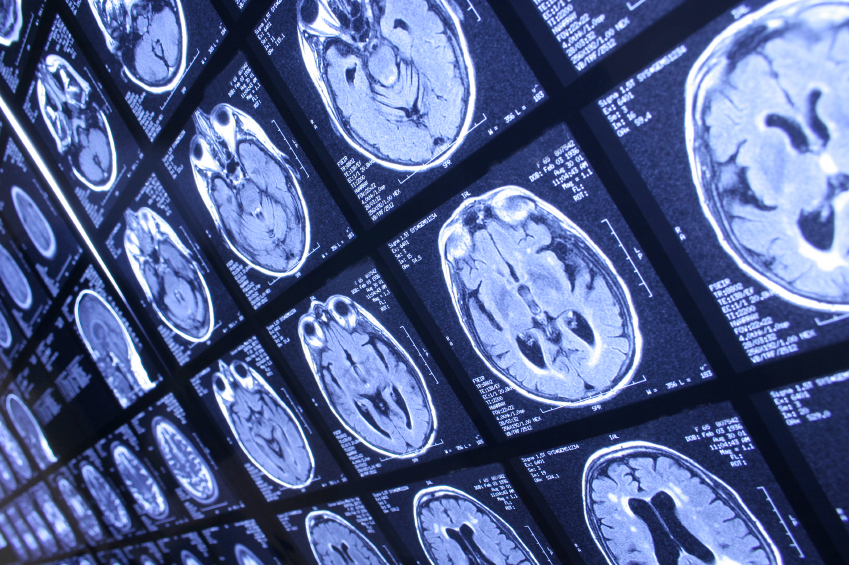
Nursing home residents who suffer from malnutrition are also likely suffering from dehydration, which happens when the body loses fluids and they aren’t replaced adequately. In the elderly, dehydration is especially dangerous because of the health issues it can cause or worsen. Some of the most severe consequences of dehydration include seizures, brain swelling, coma, heart attack, kidney failure, and death. Other medical conditions related to dehydration include urinary tract infections, bed sores, choking, and weight loss.
As with malnutrition, there are certain signs you can look for if you are worried your loved one is suffering from dehydration. Some of the most common signs include the following:
- Loss of appetite
- Thirst and dry mouth
- Dry, red skin
- Fatigue or weakness
- Dark-colored urine or infrequent urination
- Confusion and irritability
- Inability to sweat
- Sunken eyes and cheeks
- Low blood pressure or increased heart rate
Dehydration from neglect can also be challenging to prove. Nursing home staff may be found negligent if they fail to provide water and ensure it’s consumed on a daily basis, attend to residents who require assistance to drink, monitor any problems with swallowing, be aware of the signs of dehydration, encourage fluids between mealtimes, and regularly record a resident’s IV fluid replacement.
The length of time it takes to recover from dehydration depends on a number of factors, including the resident’s underlying health conditions and what caused the lack of fluids. Dehydration is more dangerous if it’s been an ongoing problem. If a nursing home resident is admitted to the hospital for dehydration, they will likely receive electrolytes, zinc, magnesium, potassium, and sodium to rebalance the body’s fluids.